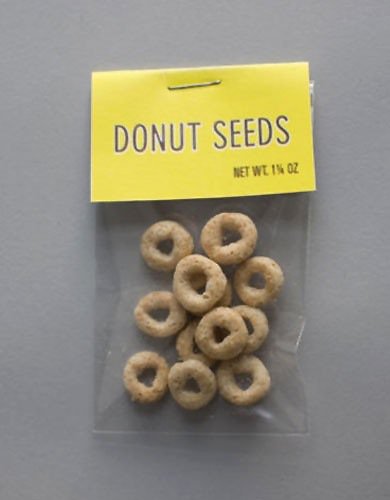

Can’t wait to get these started

… and they’re Heirlooms too.

Posted in In Other Gardens | Comments Off on Can’t wait to get these started

Work Day at James E. Ward Ag. Center – Tuesday, 9 Oct 2012 @ 9:00 AM

Volunteer Opportunity

On Tuesday, Oct. 9th at 9:00am their will be an opportunity for volunteer hours at the Ag Center (Fairgrounds). We will be emptying the pots that were used during the fair and planting pansies throughout the grounds.

We will meet in front of the Turner Evans Building (first building you see as you enter the grounds). You will be needing shovels, trowels and weeding tools.

Hope to see you there!

Happy Gardening!
Marianne Pelletier

.

Posted in Announcement, Volunteer Opportunity | Comments Off on Work Day at James E. Ward Ag. Center – Tuesday, 9 Oct 2012 @ 9:00 AM

WCMG Fall Intern Class Meets Monday, 08 October 2012

Week 5 of the Fall Intern Class meets Monday, 08 October 2012 at 6:00 PM in the Wilson County UT/TSU Extension Office on Baddour Parkway.

This week’s discussion will be over Chapter 8:  Turfgrass

.

wcmg

Posted in Announcement | Comments Off on WCMG Fall Intern Class Meets Monday, 08 October 2012

Landsat Satellites Find the “Sweet Spot” for Crops

.

Farmer Gary Wagner walks into his field where the summer leaves on the sugar beet plants are a rich emerald hue — not necessarily a good color when it comes to sugar beets, either for the environment or the farmer. That hue tells Wagner that he’s leaving money in the field in unused nitrogen fertilizer, which if left in the soil can act as a pollutant when washed into waterways, and in unproduced sugar, the ultimate product from his beets.

The leaf color Wagner is looking for is yellow. Yellow means the sugar beets are stressed, and when the plants are stressed, they use more nitrogen from the soil and store more sugar. Higher sugar content means that when Wagner and his family bring the harvest in, their farm, A.W.G. Farms, Inc., in northern Minnesota, makes more dollars per acre, and they can better compete on the world crop market.

To find where he needs to adjust his fertilizer use—apply it here or withhold it there—Wagner uses a map of his 5,000 acres that span 35 miles. The map was created using free data from NASA and the U.S. Geological Survey’s Landsat satellites and tells him about growing conditions. When he plants a different crop species the following year, Wagner’s map will tell him which areas of the fields are depleted in nitrogen so he can apply fertilizer judiciously instead of all over.

A farmer needs to monitor his fields for potential yield and for variability of yield, Wagner says. Knowing how well the plants are growing by direct measurement has an obvious advantage over statistically calculating what should be there based on spot checks as he walks his field. That’s where remote sensing comes in, and NASA and the U.S. Geological Survey’s Landsat satellites step into the spotlight.

… READ MORE

http://www.nasa.gov/mission_pages/landsat/news/sweet-spot.html


Posted in In the News | Comments Off on Landsat Satellites Find the “Sweet Spot” for Crops

Botany lesson for the day

Have a good weekend

Posted in Announcement | Comments Off on Botany lesson for the day